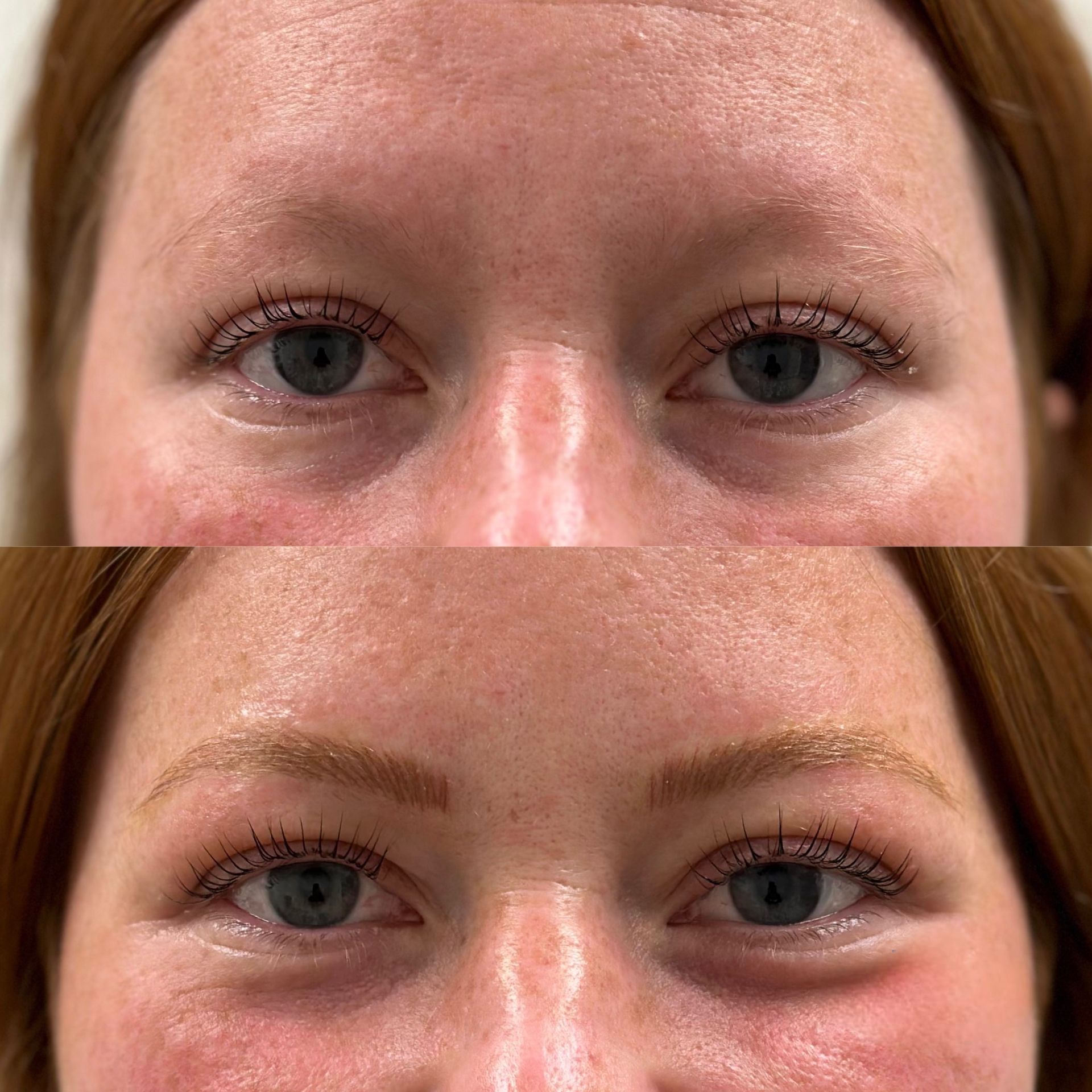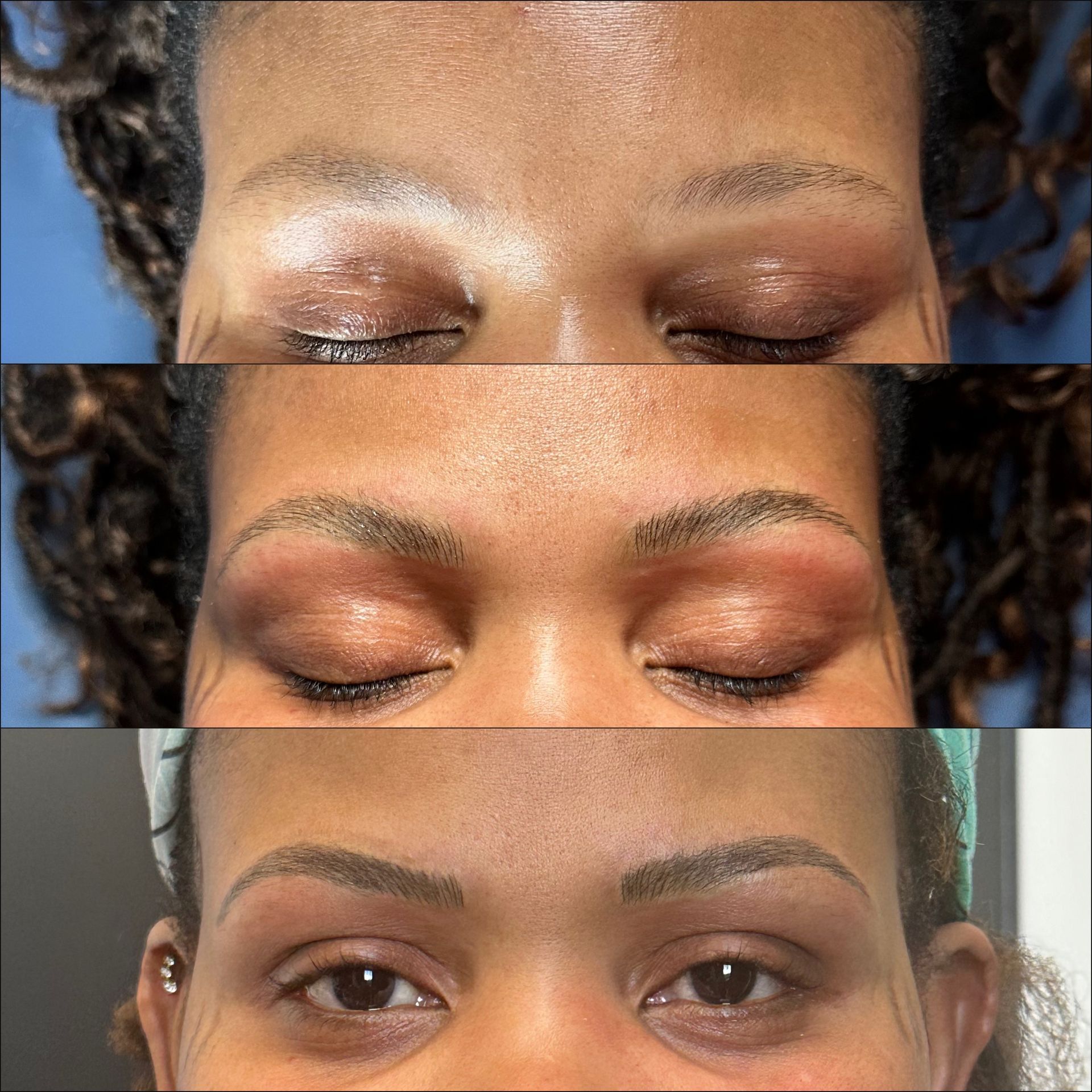
Precision treatment that stimulates & Restores new skin
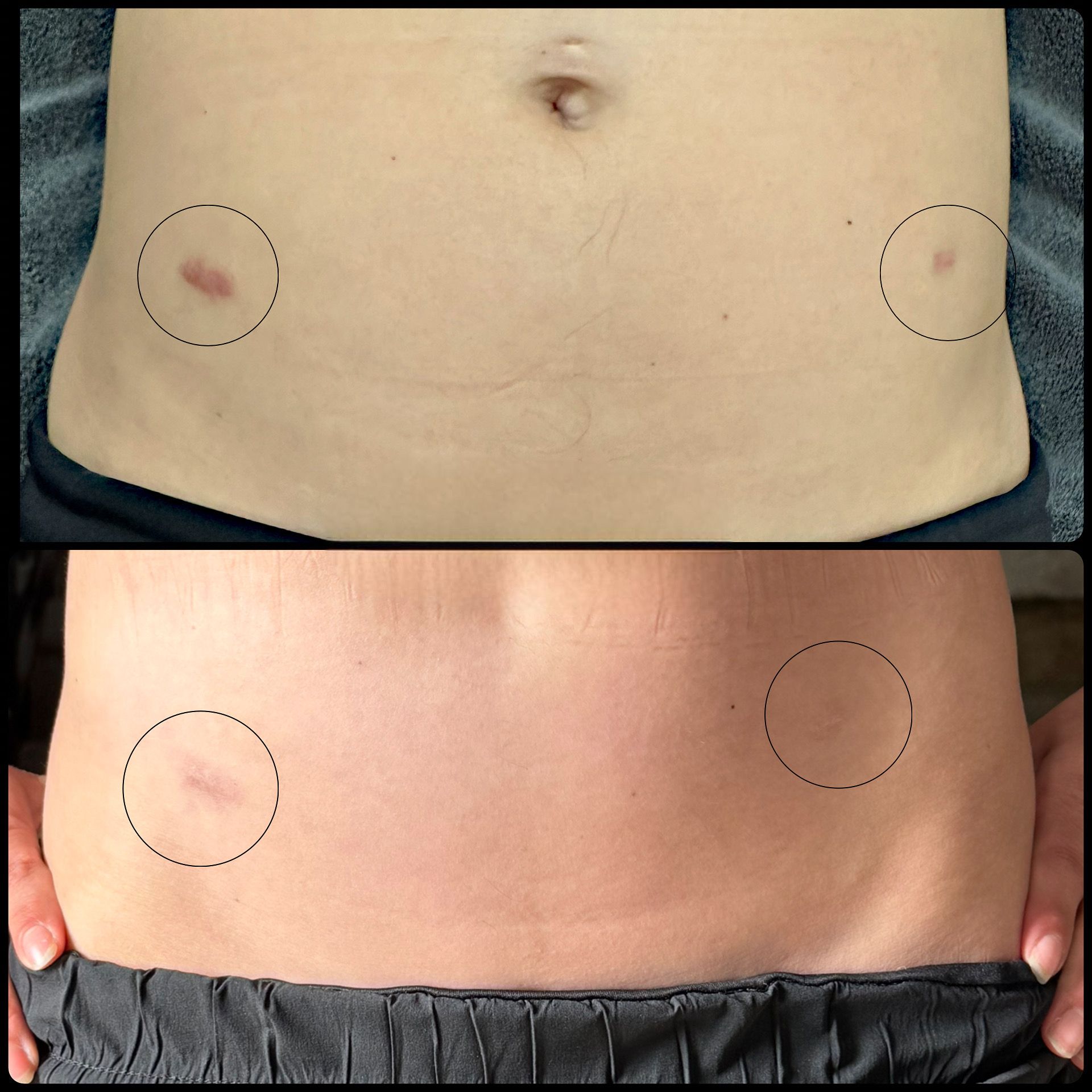
Scar Regeneration is for reducing the appearance of hypertrophic, atrophic, surgical, burn, and acne scars
Scar & Skin provides scar regeneration treatments that work on hypertrophic scars, atrophic scarring, hyperpigmentation and hypopigmentation, burn scars, surgical scars, and acne scars. The process stimulates cellular turnover in scar tissue to improve texture and color match with surrounding skin. You notice smoother texture and reduced discoloration as the treated area responds to regenerative techniques over several sessions.
Scar regeneration addresses the structural differences between scar tissue and normal skin by encouraging collagen remodeling and pigment correction. The treatment approach varies depending on whether the scar is raised, indented, darker, or lighter than surrounding tissue.
Schedule a scar evaluation to determine which regenerative approach fits your specific scar type and skin condition.
How Regeneration Improves Scar Appearance Over Time
The regeneration process works by creating controlled micro-injuries that prompt your skin to produce new collagen and elastin in the scarred area. This breaks down rigid scar tissue and replaces it with more flexible, functional skin cells that better match the texture and tone of the surrounding area.
After completing a treatment series, you see flatter surface texture where raised scars existed, and improved skin tone where hyperpigmentation or hypopigmentation created visible contrast. The scar remains present but becomes significantly less noticeable as it blends into the surrounding tissue through improved color and texture consistency.
Treatment plans typically involve multiple sessions spaced several weeks apart to allow skin healing between appointments. The number of sessions needed depends on scar depth, age, and the extent of discoloration or texture irregularity.
What Clients Ask About Scar Treatment
Questions about scar regeneration often focus on which types of scars respond to treatment and what changes become visible during the healing process.
- What types of scars can be treated with regeneration techniques? Hypertrophic scars, atrophic scars, hyperpigmentation and hypopigmentation, burn scars, surgical scars, and acne scars all respond to regenerative treatment, though the approach varies based on whether the scar is raised, indented, or discolored.
- How does the treatment differ for raised versus indented scars? Raised hypertrophic scars require collagen breakdown to flatten the tissue, while atrophic indented scars need collagen stimulation to build the depressed area back to the surrounding skin level.
- What determines how many sessions are needed? Scar age, depth, size, and your skin's natural healing response all affect the treatment timeline, with older and deeper scars typically requiring more sessions than recent surface-level scarring.
- When do visible changes start to appear? Most clients notice initial texture smoothing and slight color shifts within four to six weeks after the first session as new collagen begins forming in the treated area.
- Why do pigmentation issues require specialized attention during scar treatment? Hyperpigmentation and hypopigmentation in Bettendorf scars involve melanin production irregularities that need targeted correction alongside structural tissue regeneration to achieve uniform color blending with surrounding skin.
Scar & Skin By Jade Engler evaluates each scar individually to develop a regeneration plan tailored to your specific tissue characteristics and healing goals. Arrange a consultation to discuss your scar history and receive a customized treatment recommendation.