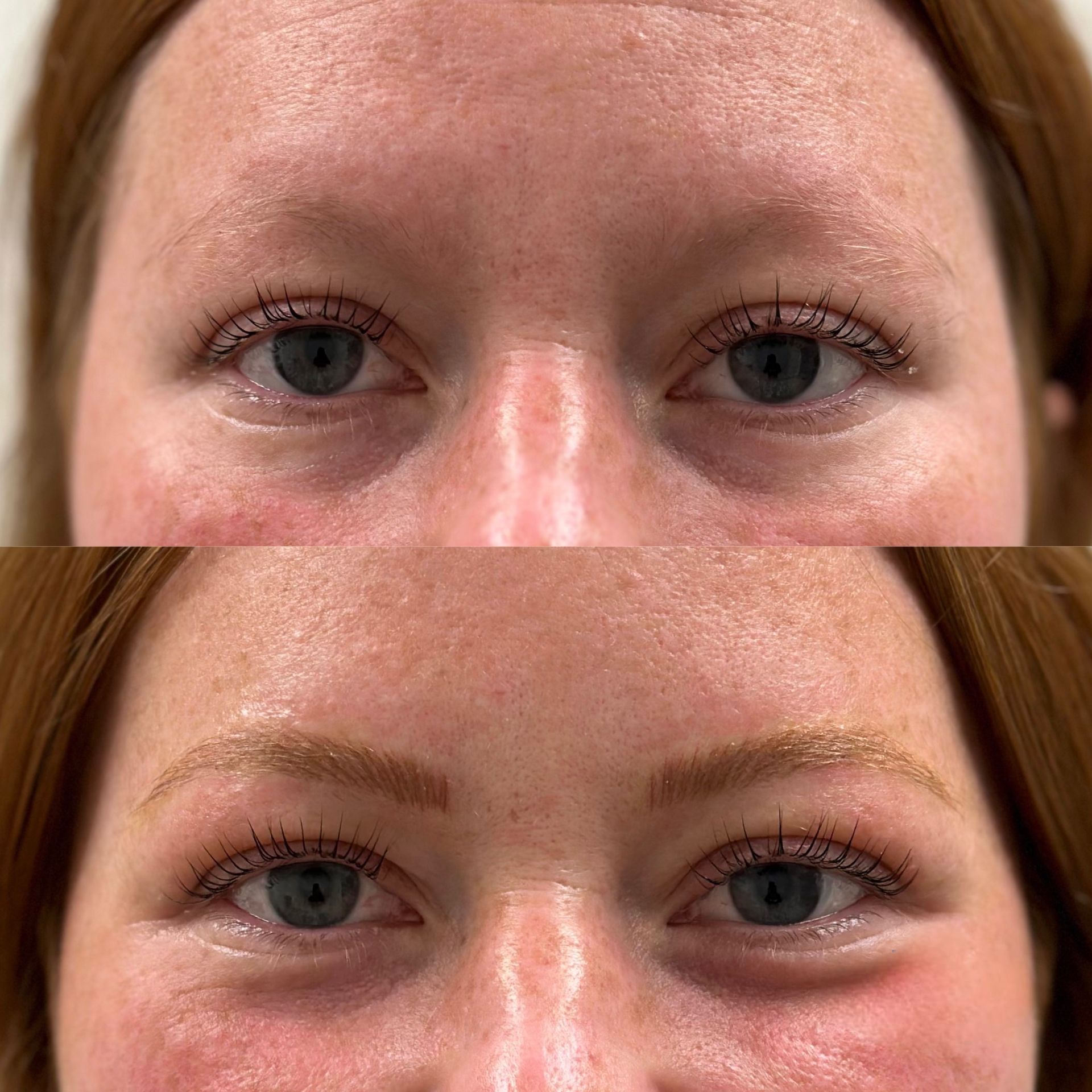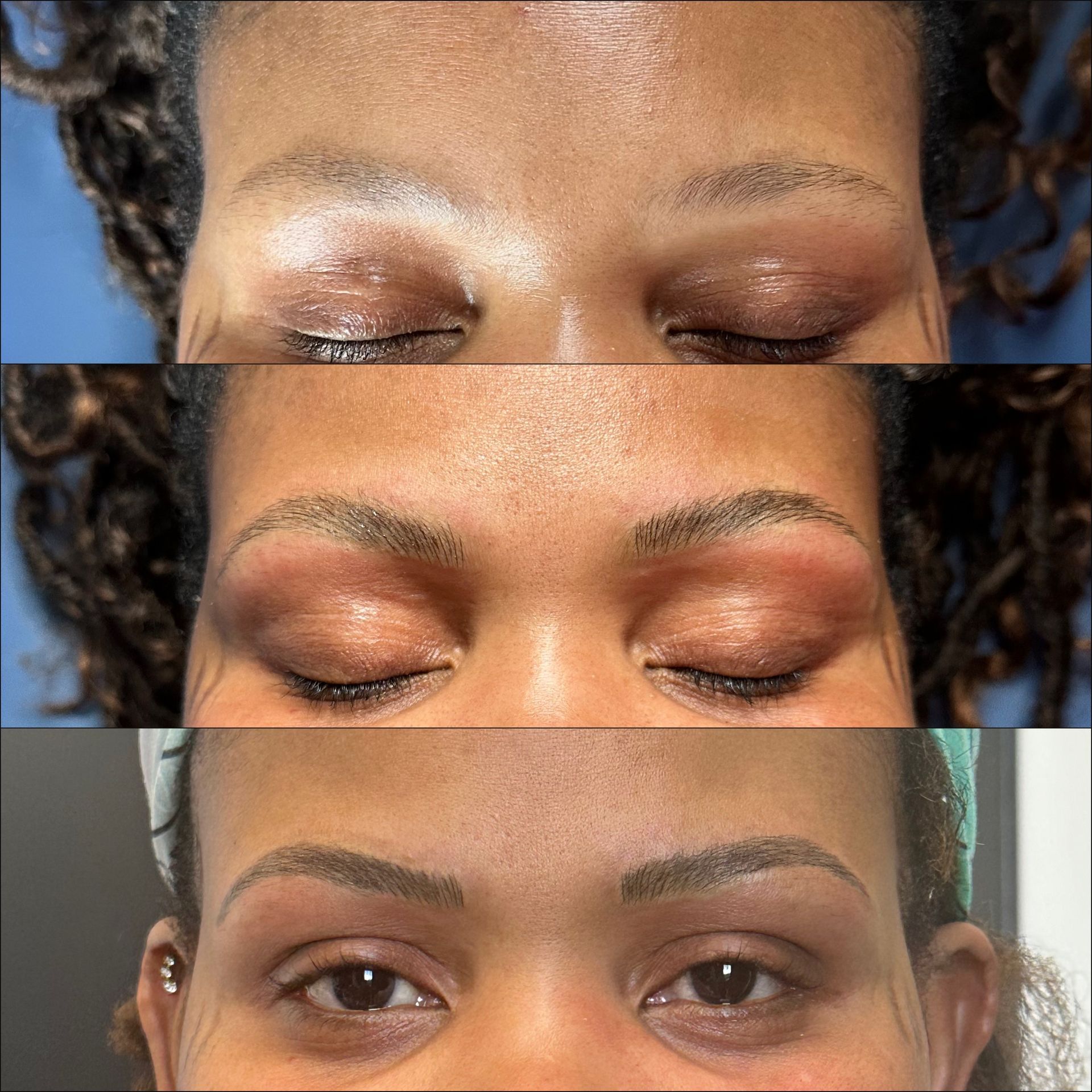
Camouflage That Blends Scars Into Surrounding Skin
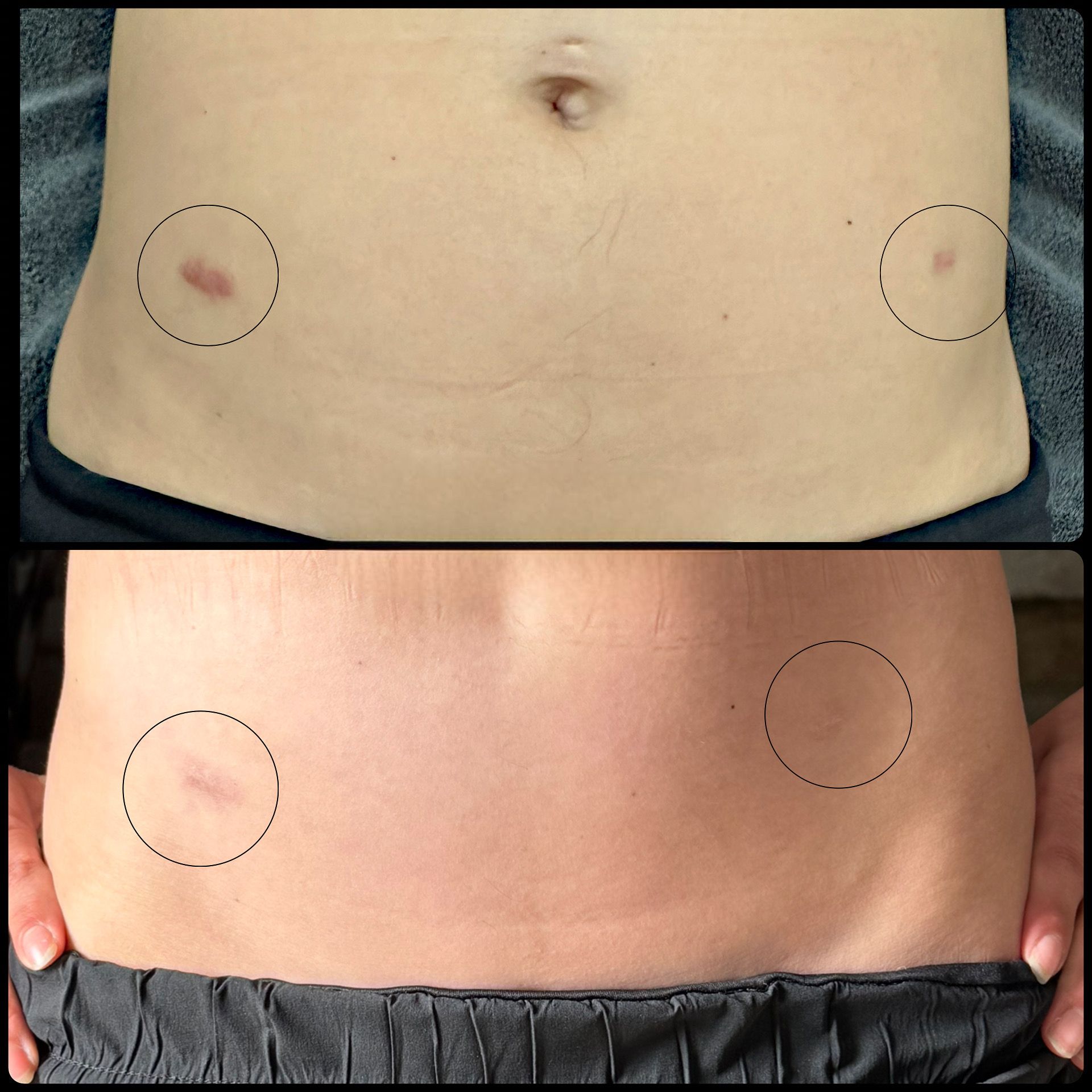
Paramedical Pigmentation is for camouflaging hypertrophic, atrophic, burn, surgical, and acne scars with visible color differences
Scars that appear lighter or darker than the skin around them create visible contrast that draws attention even after the tissue has fully healed. Scar & Skin offers paramedical pigmentation is a technique that deposits custom-blended pigment into scar tissue to match the surrounding skin tone. This service addresses hypertrophic scars, atrophic scars, hyperpigmentation and hypopigmentation, burn scars, surgical scars, and acne scars where color mismatch is the primary concern.
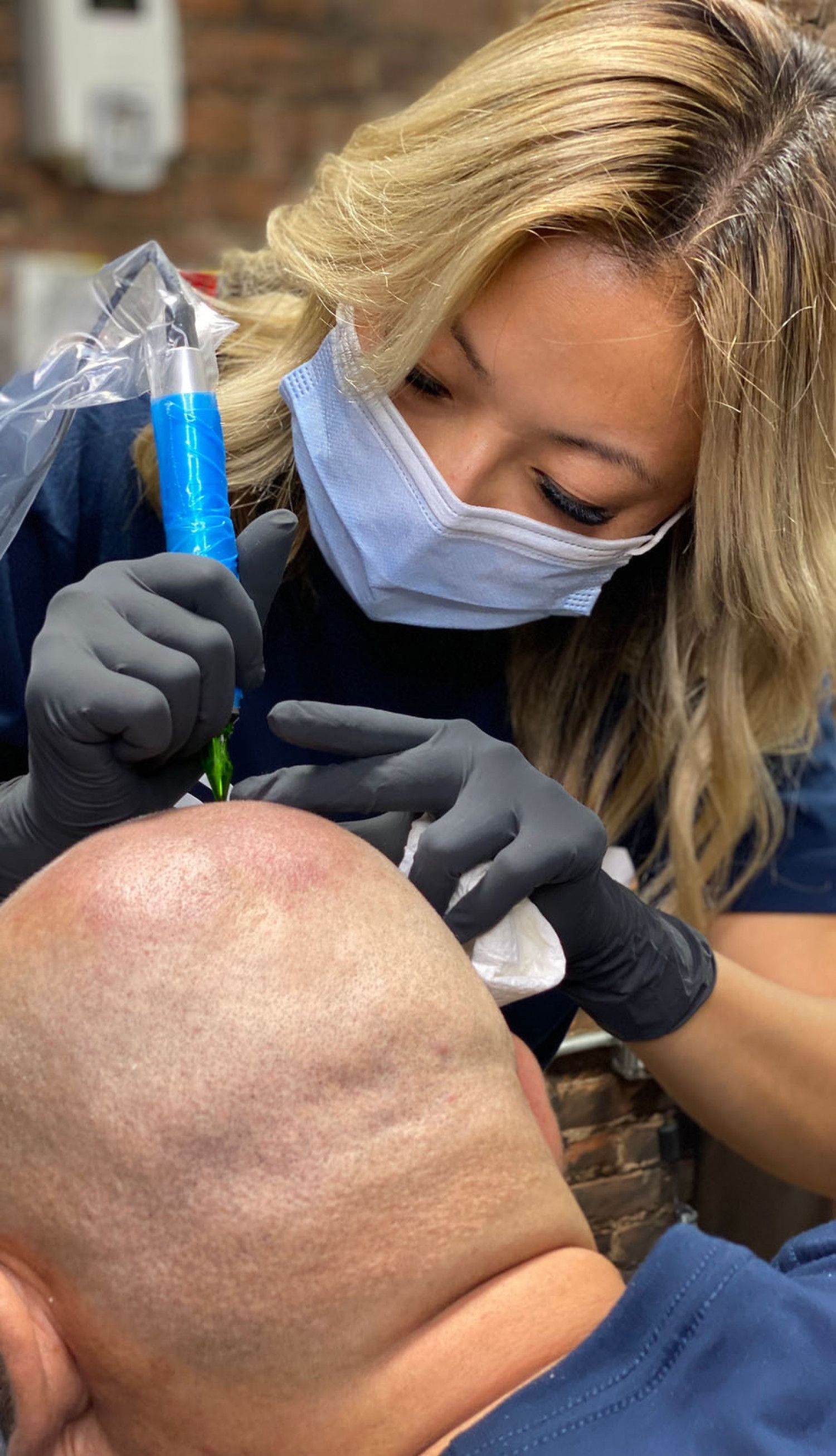
The pigmentation process involves color matching your natural skin tone and carefully implanting that pigment into the scar tissue at the correct dermal depth. This creates the appearance of uniform skin tone where discoloration previously made the scar stand out, particularly effective for scars that are fully healed but remain visibly lighter or darker than the area around them.
Request a pigment matching consultation to assess whether your scar tissue is suitable for camouflage treatment.
Why Color Matching Requires Multiple Pigment Layers
Scar tissue accepts and holds pigment differently than normal skin because its cellular structure and blood flow patterns have changed during the healing process. Paramedical camouflage typically requires two to three sessions to build color gradually, allowing each layer to settle and heal before adding the next. This staged approach prevents over-pigmentation and allows for adjustments as the scar tissue responds to treatment.
Once the pigment has fully settled, the scar blends into the surrounding skin tone rather than appearing as a noticeably lighter or darker area. The visual boundary between scar and normal skin softens significantly, making the scarred area far less detectable under typical lighting conditions.
Pigment retention varies based on scar age, tissue density, and your skin's natural exfoliation rate. Touch-up sessions may be needed over time as the pigment gradually fades, similar to how cosmetic tattooing requires periodic refreshing to maintain color saturation.
Common Questions About Scar Camouflage
Clients considering paramedical pigmentation usually want to understand how pigment behaves in scar tissue compared to normal skin and what results look realistic.
- What makes scar tissue accept pigment differently than normal skin? Scar tissue has altered collagen structure and reduced blood flow compared to surrounding skin, which affects how deeply pigment penetrates and how evenly it distributes during the healing phase.
- How is the pigment color customized to match my skin? Custom blending involves mixing multiple pigment shades to replicate your exact skin tone, accounting for undertones and the way light reflects off your natural complexion in Bettendorf's varying seasonal lighting conditions.
- Which types of scars respond best to pigmentation camouflage? Flat scars with significant hypopigmentation or hyperpigmentation respond most predictably, while raised or indented scars may require texture treatment before pigmentation achieves optimal blending.
- How long does the camouflage pigment last in scar tissue? Most clients see pigment retention for two to four years before noticeable fading occurs, though individual healing characteristics and sun exposure affect longevity.
- What happens if my natural skin tone changes over time? Pigment can be adjusted or refreshed during touch-up sessions to match tanning, seasonal tone shifts, or age-related changes in your baseline complexion.
Scar & Skin assesses scar maturity, tissue texture, and color differential before recommending a camouflage approach. Book a color matching session to determine if your scar is ready for paramedical pigmentation and to preview the expected blending outcome.